
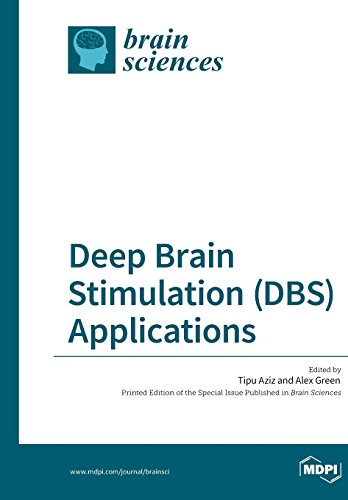
Deep Brain Stimulation (DBS) Applications
by Tipu Aziz, Alex Green (eds)
Publisher: MDPI AG 2017
ISBN-13: 9783038425397
Number of pages: 280
Description:
The issue is dedicated to applications of Deep Brain Stimulation and, in this issue, we would like to highlight the new developments that are taking place in the field. These include the application of new technology to existing indications, as well as 'new' indications. We would also like to highlight the most recent clinical evidence from international multicentre trials. The issue will include articles relating to movement disorders, pain, psychiatric indications, as well as emerging indications that are not yet accompanied by clinical evidence.
Download or read it online for free here:
Download link
(32MB, PDF)
Similar books
 The Anatomy of the Brain
by Richard H. Whitehead - F. A. Davis company
The author's aim was to furnish medical students with a clear, accurate, and concise account of the anatomy of the brain, to be used as a guide. He decided to omit minor details, and to exclude subjects which are still matters of controversy.
(8964 views)
 Neuroscience of Psychoactive Substance Use and Dependence
- World Health Organization
Summary of current knowledge of the biological basis of substance use behaviours, including their relationship with environmental factors. The report focuses on a wide range of psychoactive substances, including tobacco, alcohol and illicit drugs.
(15519 views)
 Understanding Alzheimer's Disease
by Inga Zerr (ed.) - InTech
Alzheimer's dementia affects 6 million Europeans with 10 percent of people over age 65 and more than a quarter over 85. Given the steady aging of European societies, dementia and cognitive decline have developed into a major health problem...
(9575 views)
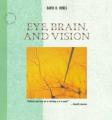 Eye, Brain, and Vision
by David H. Hubel - W. H. Freeman
Hubel, a Nobel Prize winner, begins by explaining the structure and function of the retina and visual areas of the brain, then proceeds to more complex phenomena, such as how the brain and eyes together produce stereoscopic and color vision.
(20265 views)