
Teaching Our Youngest
Publisher: U.S. Department of Education 2002
Number of pages: 48
Description:
It draws from scientifically based research about what pre-school teachers and childcare providers can do to help children develop their language abilities, increase their knowledge, become familiar with books and other printed materials, learn letters and sounds, recognize numbers and learn to count.
Download or read it online for free here:
Download link
(160KB, PDF)
Similar books
 Teaching Learning Theory and Teachers Education
by T. C. Sharma - Sarup & Sons
Contents: Modifications of desired qualifications; Development of practice in teacher education; The educational and social setting; Normal schools; From normal schools to teacher colleges; Teacher education in colleges and universities; etc.
(14183 views)
 Social and Cultural Foundations of American Education
by Patrick O'Shea, Dwight Allen, Peter Baker - Wikibooks
The major objective of this combined effort of a dedicated group of collaborators was to plan a series of research initiatives to study the outcomes of this innovative approach to the introduction of students to the profession of teaching.
(8904 views)
 Pedagogical Anthropology
by Maria Montessori - Frederick A. Stokes company
Contents: Modern tendencies of anthropology and their relation to pedagogy; Certain principles of general biology; Craniology; Thorax; Pelvis; Limbs; Skin and pigments; Technical part; Statistical methodology; Biographic history of the pupil; etc.
(13155 views)
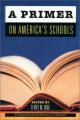 A Primer on America's Schools
by Terry M. Moe - Hoover Institution Press
A broad overview of the American education system -- pulling together basic facts about its structure and operation, identifying key problems that hinder its performance, and offering perspectives on the requirements of genuine reform.
(9450 views)