
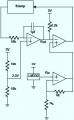
A Pragmatic Introduction to the Art of Electrical Engineering
by Paul H. Dietz
2003
Number of pages: 142
Description:
Each of the following chapters will begin with a problem - How do you build a system to do such and such. This will be followed by a discussion of the background material you will need to interface the BASIC Stamp so as to solve the problem.
The hope is that this approach will not only yield a solid understanding of electrical engineering fundamentals, but will also promote actual skill at designing and building
functional electronic systems.
Download or read it online for free here:
Download link
(0.7MB, PDF)
Similar books
 Digital Systems Design
by Ramaswamy Palaniappan - BookBoon
Fundamentals of digital system concepts such as logic gates for combinatorial logic circuit design and higher level logic elements such as counters and multiplexers. Undergraduates in computer science, engineering or IT will find it useful.
(16246 views)
 Radio Frequency Identification: From System to Applications
by Mamun Bin Ibne Reaz (ed.) - InTech
RFID based applications create tremendous new opportunities. The book offers a comprehensive and systematic description of technologies, architectures, and methodologies of various efficient, secure, scalable, and reliable RFID based applications.
(14316 views)
 Development and Implementation of RFID Technology
by Cristina Turcu - InTech
The book covers a wide range of issues related to RFID systems: the design of RFID antennas, RFID readers and tags, complex RFID systems, security and privacy issues in RFID applications, as well as the selection of encryption algorithms.
(21075 views)
 A First Course in Electrical and Computer Engineering
by Louis Scharf - Connexions
The book is written for an experimental freshman course at the University of Colorado. We wanted to pique student' interest in engineering by providing with exposure to the types of problems that electrical and computer engineers are asked to solve.
(26743 views)