
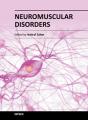
Neuromuscular Disorders
by Ashraf Zaher
Publisher: InTech 2012
ISBN-13: 9789535106968
Number of pages: 270
Description:
Neuromuscular Disorders is an interesting compendium of diverse and fairly inclusive topics in disorders of nerve and muscle, with a spectrum of generally well written and pertinent chapters referencing specific categories of neuromuscular diseases. The emphasis is on understanding the implications, diagnosis and treatment of the specific muscle and nerve diseases.
Download or read it online for free here:
Download link
(11MB, PDF)
Similar books
 Neurodegenerative Diseases
by Uday Kishore (ed.) - InTech
This book highlights the pathophysiological complexities of the mechanisms and factors that are likely to be involved in a range of neuroinflammatory and neurodegenerative diseases including Alzheimer's disease, other Dementia, Parkinson Diseases.
(9883 views)
 Understanding Alzheimer's Disease
by Inga Zerr (ed.) - InTech
Alzheimer's dementia affects 6 million Europeans with 10 percent of people over age 65 and more than a quarter over 85. Given the steady aging of European societies, dementia and cognitive decline have developed into a major health problem...
(9583 views)
 Neurotoxins
by J. Eric McDuffie (ed.) - InTech
Because the incidence of neurobehavioral hazards and risks of exogenous compounds remain subject matter of interest, predictive tools have evolved, including novel translational in vitro models, biomarkers, newer epidemiological research tools, etc.
(6915 views)
 Multiple Sclerosis: Perspectives in Treatment and Pathogenesis
by Ian S. Zagon, Patricia J. McLaughlin - Codon Publications
This book on the pathophysiology of multiple sclerosis concentrates on the potential etiology and treatment of multiple sclerosis, and basic studies discussing mechanisms and pathways involved in the development and progression of the disease.
(5370 views)