
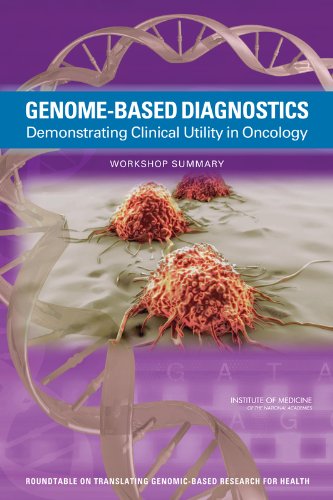
Genome-Based Diagnostics: Demonstrating Clinical Utility in Oncology
Publisher: National Academies Press 2013
ISBN/ASIN: 0309269598
ISBN-13: 9780309269599
Number of pages: 100
Description:
Genome-Based Diagnostics assesses the evidentiary requirements for clinical utility of molecular diagnostics used to guide treatment decisions for patients with cancer; discusses methodologies related to demonstrating these evidentiary requirements that meet the needs of all stakeholders; and considers innovative, sustainable research collaborations for generating evidence of clinical utility involving multiple stakeholders.
Download or read it online for free here:
Download link
(1.7MB, PDF)
Similar books
 Understanding CLL/SLL Chronic Lymphocytic Leukemia and Small Lymphocytic Lymphoma
by Lymphoma Research Foundation - Smashwords
This guide is an educational resource compiled by the Lymphoma Research Foundation that provides general information on chronic lymphocytic leukemia and small lymphocytic lymphoma. Before starting treatment, patients should discuss the potential benefits
(7147 views)
 Radiotherapy
by Cem Onal (ed.) - InTech
Radiotherapy plays a key role in the treatment of many cancer types. This book is intended to bring forward the recent advancements in the field of radiation oncology. It contains many valuable contributions from physicians and medical physicists.
(6343 views)
 Familial Cancer Syndromes
by Douglas L. Riegert-Johnson - NCBI
Written as a comprehensive reference, it will be a useful reference for clinicians and researchers. This release includes chapters on Peutz-Jeghers Syndrome, Familial Atypical Multiple Mole Melanoma Syndrome, and multiple endocrine neoplasia type 1.
(14431 views)
 Cancer Medicine
by James F. Holland, at al. - B.C. Decker
A reference source for medical oncologists, radiation oncologists, internists, surgical oncologists, and others who treat cancer patients. The book covers the ever-widening sphere of current cancer knowledge and clinical practice.
(13806 views)